The Empire of the Sun and Stone
Rising from the high plains of Fars, the Persian Empire redefined the scale of human governance, weaving a tapestry of diverse cultures under the banner of the King of Kings.
A Lineage of Kings
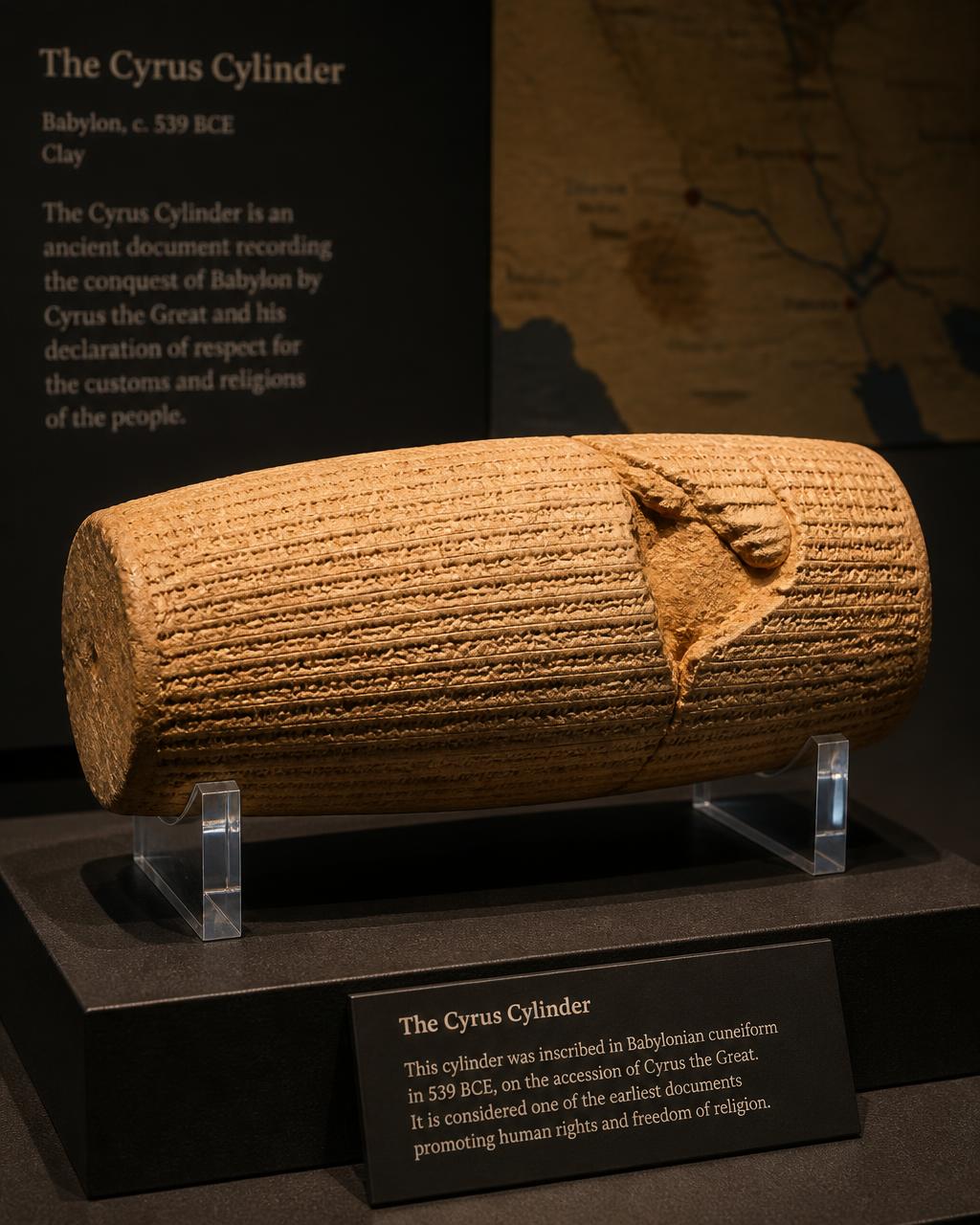
Cyrus the Great
The liberation of Babylon and the declaration of the first charter of human rights. Cyrus unified the Medes and Persians, establishing a reign founded on religious tolerance.
Darius the Builder
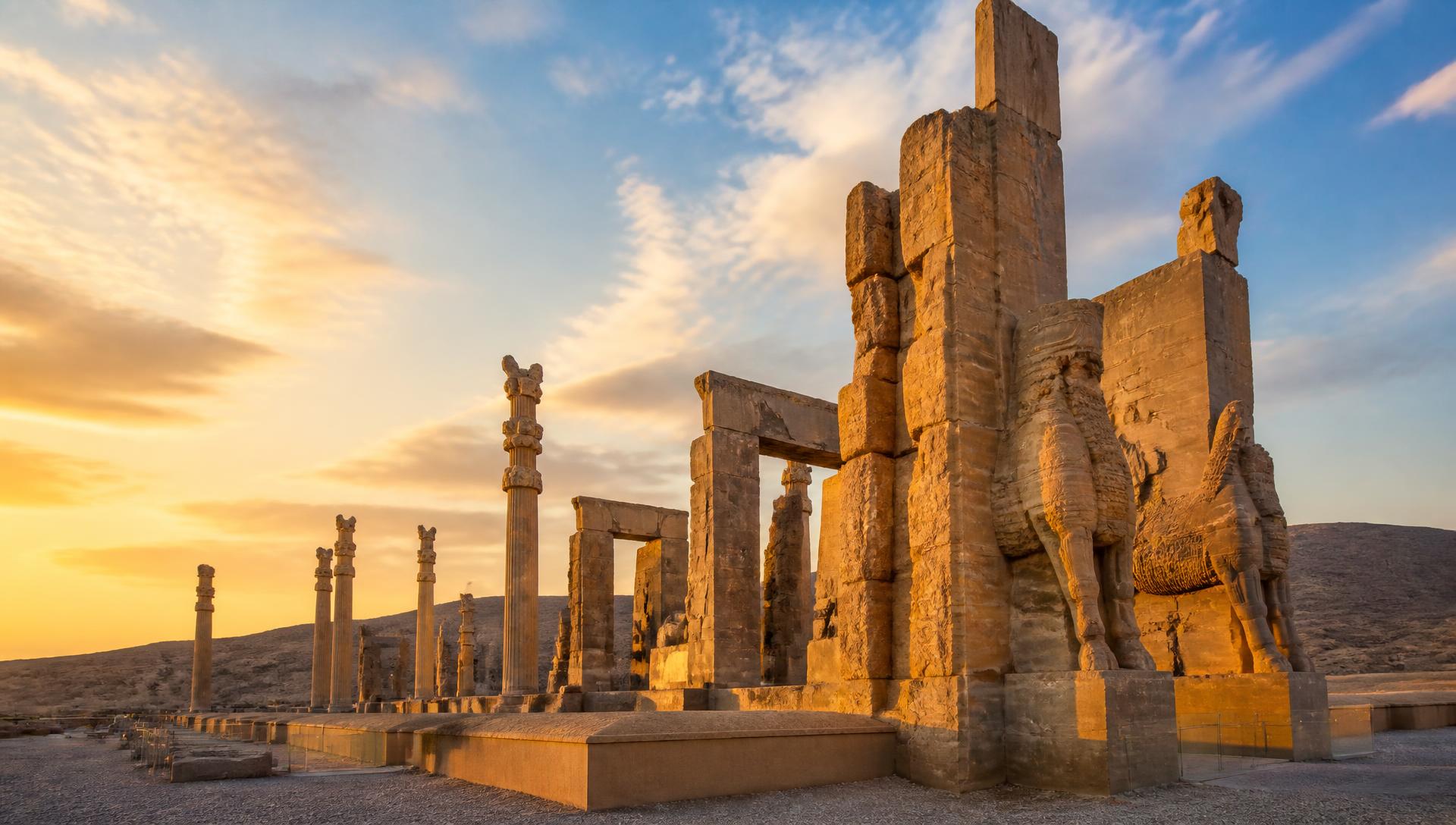
Standardization of currency, the creation of the Royal Road, and the commissioning of Persepolis as a ceremonial center of the known world.
The Zenith of Xerxes
The empire reaches its greatest territorial extent, stretching from the Indus Valley in the east to the Balkan Peninsula in the west.
The Satrapy of Progress
From administrative genius to architectural wonder, the Achaemenid innovations formed the bedrock of modern civilization.
Administration
The Satrapy System
Dividing the empire into twenty provinces led by governors allowed for efficient local rule while maintaining central authority.
Logistics
The Royal Road
A 2,500-kilometer highway connecting Susa to Sardis, enabling the fastest postal system in the ancient world.
Diplomacy
Cultural Pluralism
Unlike previous empires, the Persians allowed conquered subjects to retain their languages, religions, and traditions.
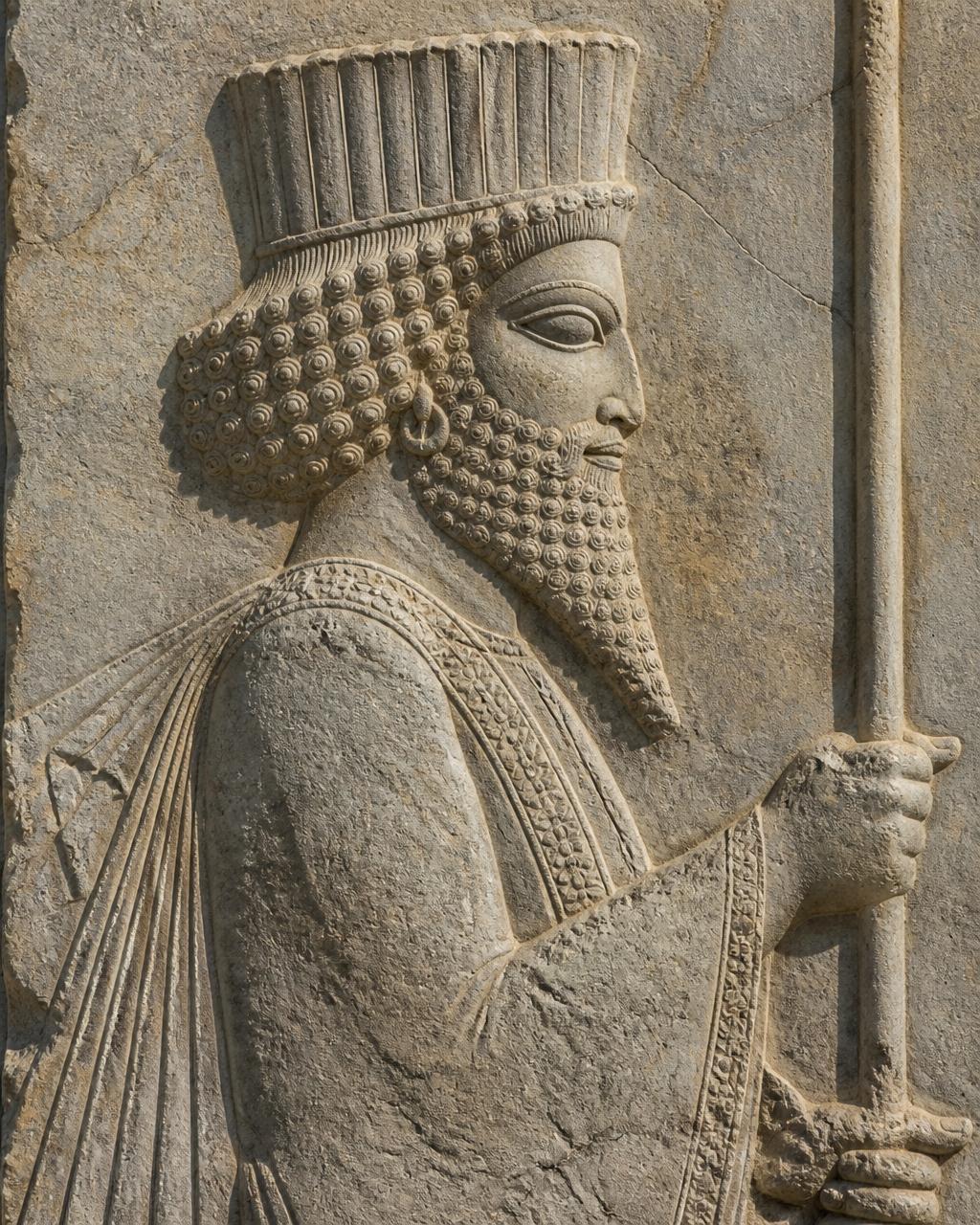
Echoes in the Reliefs
The visual language of Persepolis: where limestone tells the story of a hundred nations bringing tribute in peace.